
Spoiler Free!
At one point when I was watching Euphoria I imagined the script given to the actors, a white sheet of paper with blocky letters formed together to create lines of dialogue the actor must bring to life, and I realized how bad this show could’ve been. At first glance, Euphoria’s screenplay could’ve resulted in a drab, cliché teen-drama, but what saves this show from it’s potential self is creativity and the execution thereof. Gorgeous cinematography and great acting wrapped together into eight uniquely edited, yet still well told episodes, Euphoria instantly hooked in somebody who doesn’t tend to enjoy TV (i.e. me).
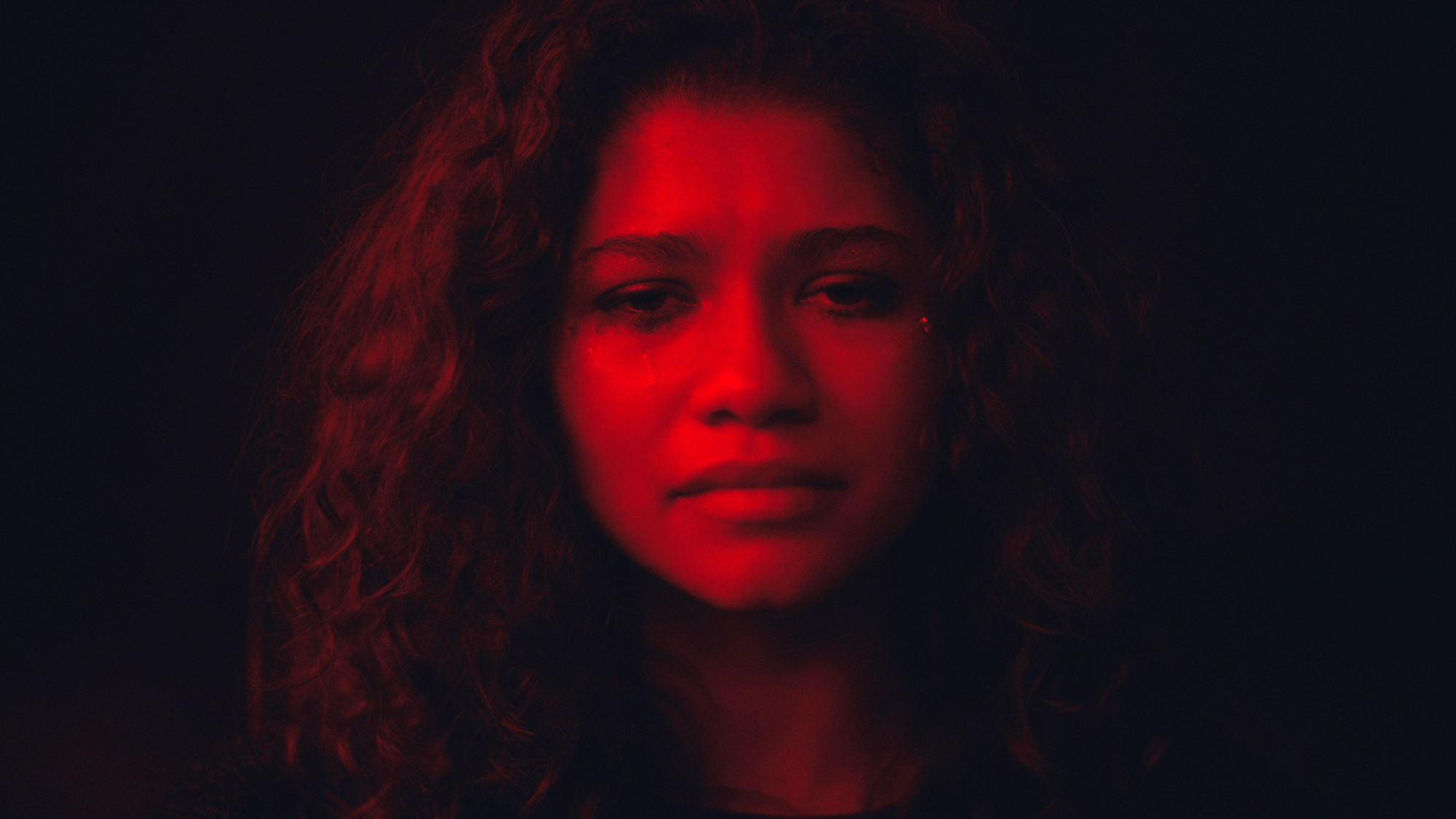
The world of Euphoria, besides being a fairly accurate depiction of Gen Z, is both brutally realistic and dreamlike. The story unforgivingly thrusts into the spotlight drug abuse, depression, sexual assault, and other such topics. More than just shock value, however, Euphoria explores the darkness of being a teenager with a level of maturation, and even sympathy, that I find myself rejoicing for the rare depiction of teenagers with respect and understating, hoping that the show will spark some clarity in an older audience. The realism is refreshing, and yet it’s presentation is almost theatrical. For example, the lighting in the show is often pronounced to the point that the shot looks lit up like it’s a theatre, with colorful lights coming from the left and right, or the moon streaking in through the trees like it’s actually a spotlight, highlighting those issues I mentioned earlier. But this is just one small consistent example of Euphoria’s dreamlike qualities. Every episode has it’s own unique moments, be it a fourth wall-breaking parody, choreographed dance, musical montage, animated sequence or just a creative way of shooting and editing a scene that enhances it’s essential qualities. This show isn’t a linear line, it’s a complete web of pinpointed moments that are woven together to tell a linear story.
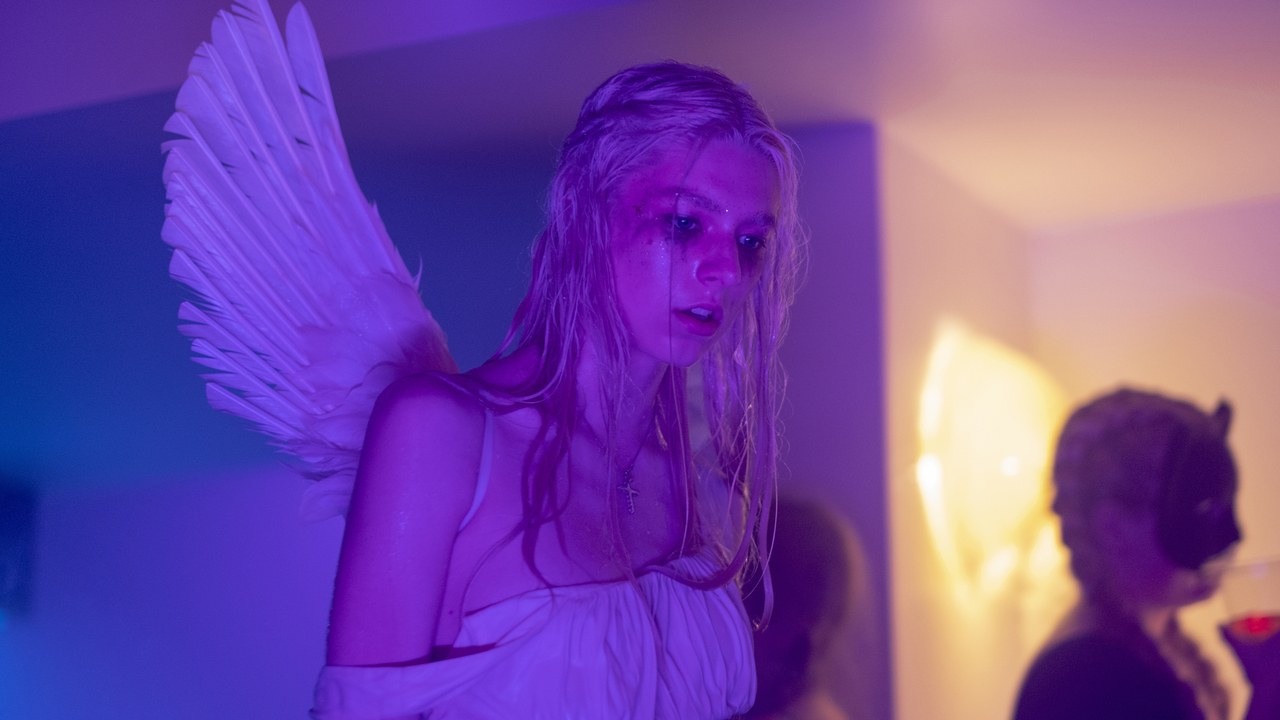
That story also happens to be engaging and shocking without being cheesy or general. Euphoria follows a select group of high schoolers and how their turmoils impact, and are impacted by, themselves, each other, and their families. I think it’s important to mention their families because the role of the parents in the life of a teenager isn’t forgotten here like it often is when showing teenage drama. The drama surrounding the adults is sometimes the most gripping part of the show and I think that’s a subtle key to it’s success. All of the actors do a wonderful job of not just acting, but adhering to the creative vision and their role in the overall story. However, this does bring up one of my biggest complaints about the show, which is that the director decided to cast actors clearly in their twenties to play the ages of sixteen to nineteen. There are plenty of talented actors that actually look like they could be in high school that could play these roles and I wish the studio would’ve taken a chance on them. Also, I’ve seen this show with the tagline “Zendaya’s Euphoria” and I think that’s a really cheap way of marketing the show. While Zendaya’s character Rue is the “main” character and the narrator, her story is far from the show’s main focus. The focus is on every character and how they are all apart of this beautiful and depressing life we live. The writing is smart here, as not a single character is wasted nor is one character more interesting than any other. It’s all interesting.
I’ve never seen a show that’s gotten the use of technology so right. Our phones play a huge roll in our interactions in the modern world, and this show understands how teenagers communicate using them. With that said, the lack of any mention of social media is surprising, as I feel like it’s an important element to the life of someone in Gen Z. The show nails texting, sexting, internet message boards, and porn sites, but completely fails to mention social media. Regardless, watching this reminded me, and hopefully made some adults realize, that we are not the phone slaves we are often depicted of being. We do talk to each other, deal with each other, and deal with being human just like every other generation before us. I know I’m making a ton of generalizations here, but you get my point. I’m not saying humanity isn’t going to become a bunch of braindead robots, but it’s not our generation nor do I think that generation is on the horizon any time soon. While Euphoria’s honest depiction of Gen Z’s struggles, such as technology, is appreciated I will say that the show strongly focuses on the negatives. The ladder half of the episodes feel more equally balanced, but the first few are filled with dark, sinful activities without hardly any relief. Life can be joyous as well and the show eventually gets to these moment, although they’re still cloaked in sadness, which I feel is more true-to-life as compared to constant darkness. It’s a melancholy show.
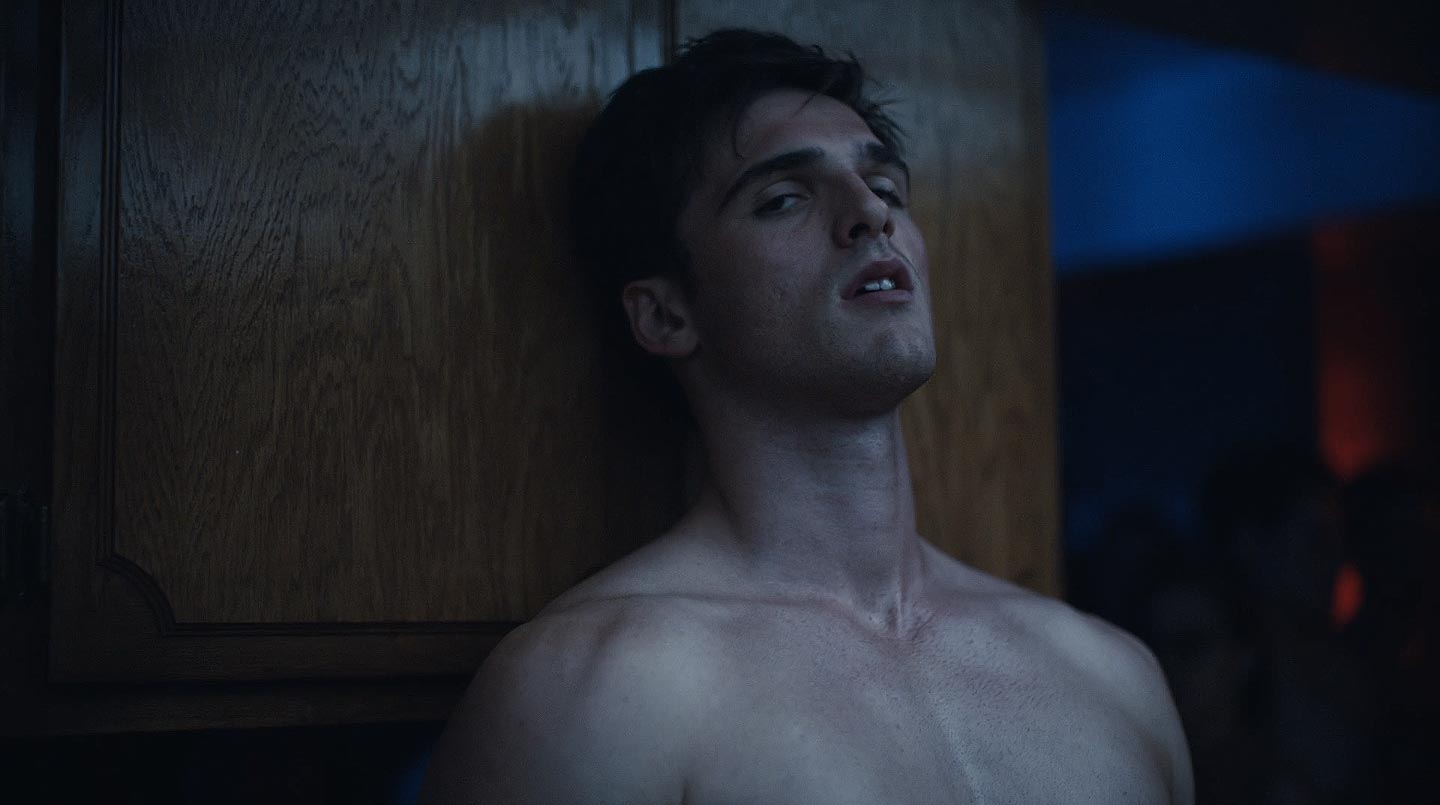
Euphoria achieves cinematic creativity and accurate, albeit disturbingly dark, storytelling of a time and generation that is often screwed over in art. I fail to decipher a strong “higher purpose” to Euphoria, which is okay because not everything can or wants to be Hamlet. The show mostly succeeds at delivering a gripping and depressing examination of Gen Z while consistently going above and beyond with it’s creative vision for wondrous results. Euphoria gave me something to look forward to on Sunday nights, and being a story that would benefit from a well done second season, I will anxiously await it’s return.
 Corin Wiggins: Thoughts, Opinions, and Reviews on Art and Life
Just finished the first season and remembered that you wrote this— so I went back to look at it. I feel the same way. Euphoria has been the only teen show I’ve seen in a while that nailed it. Love your thoughts, miss you.
LikeLike
Thank you!
LikeLike